


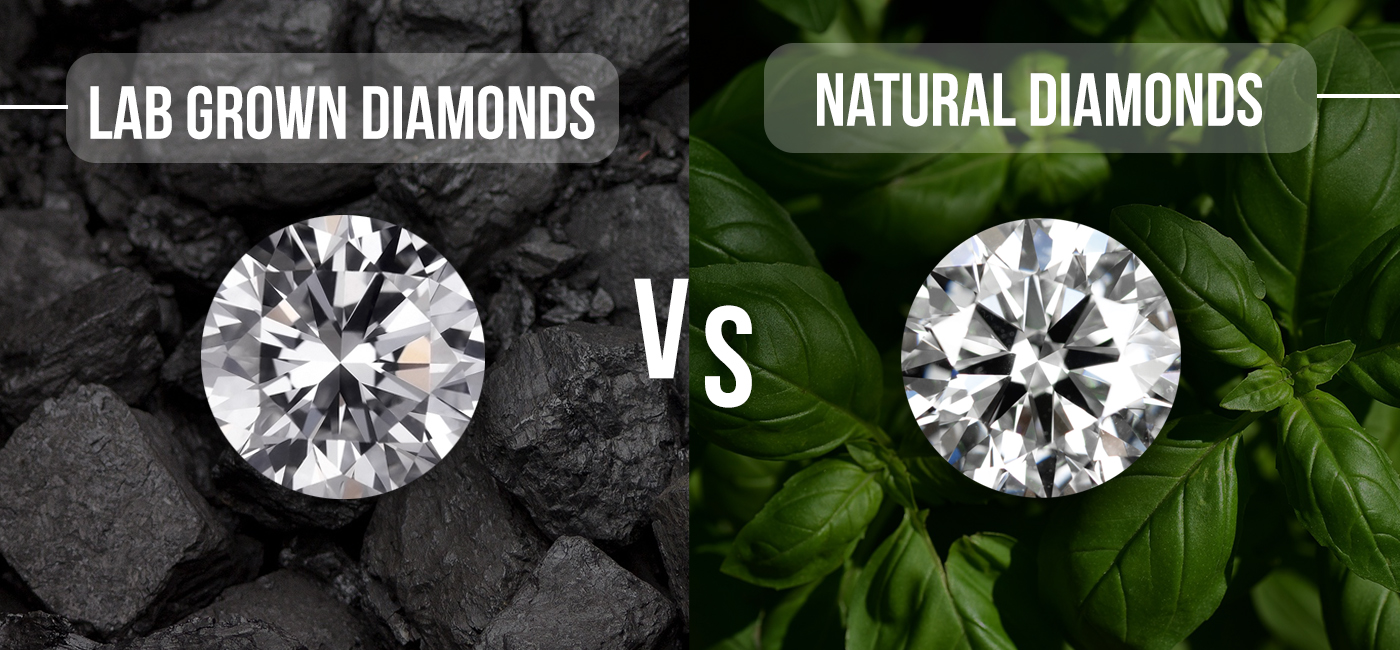
Diamonds are among the most sought-after gemstones in the world, admired for their brilliance, durability, and elegance. However, there are two types of diamonds available in the market: natural diamonds and laboratory-grown diamonds. While they may look similar, they have distinct differences that are important to understand when making a purchase. In this article, we will explore the key differences between diferencia entre diamante de laboratorio y natural.
Table of Contents
What Are Natural Diamonds?
Natural diamonds are formed deep within the Earth under extreme pressure and temperature conditions over millions of years. They are created from carbon atoms that are subjected to intense heat and pressure deep within the Earth’s mantle. These diamonds are mined from natural deposits, and the process involves extracting them from the Earth, which is both time-consuming and costly.
Natural diamonds have a unique origin, and their formation is a rare and complex process. Each natural diamond is one-of-a-kind, with its own unique characteristics such as inclusions, color, and clarity. These diamonds have been revered for centuries and have significant cultural and historical value.
What Are Laboratory-Grown Diamonds?
Laboratory-grown diamonds, also known as synthetic or lab-created diamonds, are diamonds that are produced in a controlled environment using advanced technology that mimics the natural conditions under which diamonds form. These diamonds are made from carbon atoms, just like natural diamonds, but they are created in a laboratory rather than in the Earth’s mantle. There are two main methods used to create laboratory diamonds: High Pressure High Temperature (HPHT) and Chemical Vapor Deposition (CVD).
Despite being created in a lab, these diamonds are chemically, physically, and optically identical to natural diamonds. The only difference is that they are grown in a fraction of the time it takes for natural diamonds to form, usually within weeks to months.
Key Differences Between Natural Diamonds and Laboratory-Grown Diamonds
1. Origin and Formation Process
The most significant difference between natural and laboratory-grown diamonds lies in their origin. Natural diamonds are formed over millions of years deep within the Earth’s mantle under extreme conditions, whereas laboratory diamonds are grown in a matter of weeks or months in a laboratory using controlled environments that simulate the high-pressure, high-temperature conditions found deep inside the Earth.
Natural diamonds have an ancient origin, making them more rare and unique. On the other hand, laboratory diamonds are created in a lab and can be produced in larger quantities, which affects their availability.
2. Price
One of the most notable differences between natural diamonds and laboratory-grown diamonds is their price. Due to the long and complex natural process required to form natural diamonds, they are significantly more expensive. The rarity of natural lab made diamonds and the costs associated with mining contribute to their high price.
Laboratory-grown diamonds, on the other hand, are more affordable because they are produced in controlled environments, and the manufacturing process is less costly compared to mining natural diamonds. As a result, consumers can typically purchase laboratory diamonds for 20-40% less than their natural counterparts, despite having identical physical properties.
3. Rarity
Natural diamonds are extremely rare due to the long time it takes for them to form deep within the Earth. Over millions of years, only a small fraction of the carbon atoms that undergo this process actually form diamonds. This rarity is a significant factor in the value of natural diamonds.
Laboratory-grown diamonds, by contrast, are not rare since they can be produced in large quantities in a laboratory setting. While the production of lab-grown diamonds is still time-consuming, they are not as rare as natural diamonds. This is one of the reasons why laboratory-grown diamonds are more affordable.
4. Environmental and Ethical Considerations
One of the key advantages of laboratory-grown diamonds is that they are more environmentally friendly and ethically produced. The mining of natural diamonds has significant environmental impacts, including habitat destruction, water contamination, and carbon emissions. Additionally, there are ethical concerns related to “blood diamonds,” which are mined in conflict zones where the proceeds fuel violence and exploitation.
Laboratory-grown diamonds do not involve mining, and they have a much lower environmental impact. Many consumers choose laboratory diamonds as an ethical alternative to mined diamonds, as they are conflict-free and environmentally sustainable.
5. Physical and Chemical Properties
The physical and chemical properties of natural diamonds and laboratory-grown diamonds are virtually identical. Both types of diamonds are composed of carbon atoms arranged in a crystal lattice structure, which gives them their remarkable hardness (10 on the Mohs scale). Both also exhibit the same brilliance, dispersion, and clarity.
The primary difference between the two lies in their inclusions. Natural diamonds may contain unique inclusions or imperfections that form during their natural creation process, while laboratory diamonds often have fewer inclusions, although some may have trace elements that are used to identify them as lab-grown. These inclusions are sometimes visible under magnification but do not affect the diamond’s performance or appearance to the naked eye.
6. Resale Value
Natural diamonds tend to have higher resale value compared to laboratory-grown diamonds. Since natural diamonds are rare and hold significant historical and cultural value, they tend to maintain their value over time. However, laboratory-grown diamonds, while increasing in popularity, do not hold the same resale value as natural diamonds. This is partly due to the fact that they are not as rare, and their production is less costly.
However, the resale value of any diamond—whether natural or laboratory-grown—can depend on other factors, such as size, quality, and market demand.
7. Certification and Authenticity
Both natural and laboratory-grown diamonds can be certified by reputable gemological laboratories such as the Gemological Institute of America (GIA) or the International Gemological Institute (IGI). These certifications ensure the diamond’s quality, including its cut, color, clarity, and carat weight.
However, laboratory-grown diamonds often come with a certificate that explicitly states they are man-made, whereas natural diamonds do not carry this distinction. Many consumers may prefer the transparency of certification for laboratory-grown diamonds to ensure they are getting what they pay for.
Conclusion
The differences between natural diamonds and laboratory-grown diamonds primarily lie in their origin, price, rarity, and environmental impact. Both types of diamonds are chemically and physically identical, but laboratory diamonds are more affordable and ethically produced, making them an attractive choice for those looking for an environmentally-friendly and budget-conscious alternative.
Ultimately, the decision between a natural diamond and a laboratory-grown diamond depends on personal preferences, budget, and ethical considerations. While natural diamonds hold significant value due to their rarity, laboratory-grown diamonds offer an excellent option for those seeking high-quality gemstones at a lower price point.