
 by
by Diamonds have long symbolized love, luxury, and commitment. But in today’s world, buyers are faced with an important choice: lab grown vs natural diamonds. Both offer dazzling beauty and the brilliance you expect from a diamond, but they differ in origin, cost, environmental impact, and even perception.
So, how do you decide which one is right for you?
Let’s dive deep into the differences between lab grown and natural diamonds so you can make an informed decision.
Table of Contents
What Are Lab Grown Diamonds?
Lab grown diamonds, also known as man-made or synthetic diamonds, are real diamonds created in a controlled laboratory setting. They’re grown using two primary methods:
- High Pressure High Temperature (HPHT): Mimics the natural formation process deep within the Earth.
- Chemical Vapor Deposition (CVD): Involves breaking down carbon-rich gases to build up the diamond layer by layer.
Key point: Lab grown diamonds have the same physical, chemical, and optical properties as natural diamonds. Even professional gemologists often need advanced tools to tell them apart.
What Are Natural Diamonds?
Natural diamonds are formed deep underground under extreme heat and pressure over billions of years. They are mined from the Earth, typically from countries like Russia, Canada, Botswana, and South Africa.
Natural diamonds are graded by the same 4Cs (cut, color, clarity, and carat) as lab grown diamonds. Their value is often tied to rarity, origin, and historical context.
Visual & Structural Differences
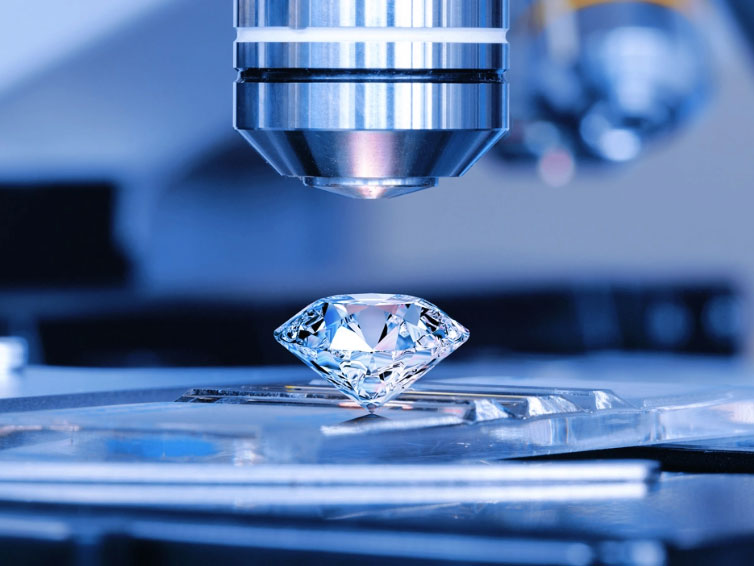
There are no visible differences to the naked eye between lab grown and natural diamonds. Both types can be colorless, brilliantly cut, and flawless. However, under a microscope or using spectroscopic analysis, lab grown diamonds may show:
- Distinctive growth patterns
- Metal inclusions in HPHT diamonds
- Slight differences in fluorescence
These differences are generally only detectable by experts.
Price Comparison: Lab Grown vs Natural Diamonds
One of the biggest advantages of lab grown diamonds is cost. On average, lab diamonds are 30% to 70% cheaper than natural diamonds of comparable quality.
| Feature | Lab Grown Diamond | Natural Diamond |
|---|---|---|
| 1 Carat Round Diamond | $1,000 – $2,500 | $4,000 – $6,500 |
| 2 Carat Diamond | $4,000 – $6,000 | $10,000 – $20,000 |
💡 Why the price difference? Natural diamonds are limited by geology and costly to mine, while lab grown diamonds can be produced on demand.
Environmental and Ethical Impact
Lab Grown Diamonds
- Eco-friendly: Require less land, water, and energy than mining.
- Ethical sourcing: No risk of supporting conflict zones or unethical labor practices.
- Lower carbon footprint: Especially with renewable-powered labs.
Natural Diamonds
- Environmental concerns: Open-pit mining and energy-intensive extraction.
- Ethical considerations: Potential ties to “blood diamonds,” though many are now Kimberley Process certified.
- Community investment: Some mining companies fund schools, hospitals, and infrastructure in local communities.
Resale Value and Investment
Natural diamonds have a more established resale and heirloom value. They’re seen as rare and often hold emotional and monetary worth across generations.
Lab grown diamonds, while gaining in popularity, typically resell at lower prices. Since they can be produced in large quantities, they don’t carry the same scarcity value.
That said, if you’re buying a diamond for personal enjoyment rather than investment, the savings on lab grown diamonds can be substantial.
Perception and Sentiment
There’s still a psychological value associated with natural diamonds. Some buyers view them as more meaningful due to their age and rarity. On the other hand, man made diamonds, younger generations are increasingly embracing lab grown diamonds for their ethics and affordability.
🧠 Fun Fact: Millennials and Gen Z are driving the demand for lab grown diamonds in engagement rings and jewelry.
Which Should You Choose?
| Consideration | Choose Lab Grown If… | Choose Natural If… |
|---|---|---|
| Budget | You want a larger or higher-quality diamond for less | You’re okay spending more for rarity and tradition |
| Ethics | You prioritize sustainability and conflict-free origins | You research ethically-sourced natural stones |
| Investment | You’re not concerned about long-term resale value | You want a piece with long-term or heirloom value |
| Sentiment | You value modern, science-based innovation | You want something formed over billions of years |
In the lab grown vs natural diamond debate, there’s no one-size-fits-all answer. Both types are real, beautiful diamonds. The best choice depends on your personal values, budget, and the meaning you attach to the stone.
If you’re looking for something ethical, affordable, and just as stunning, lab grown diamonds are a modern marvel. If you’re drawn to history, tradition, and enduring value, natural diamonds might be your gem of choice.
Whatever you choose, the sparkle will still say forever.